

The Meaning Behind a Yak Bone Bracelet
Not every object needs to announce itself. Some are understood through their weight, texture, and the way they settle into everyday life. A yak bone bracelet belongs to this quieter category of jewelry: tactile, understated, and shaped by the character of its material.
For someone discovering a yak bone bracelet for the first time, the questions are natural. What does it symbolize? Does a skull motif represent death, protection, or something else? And how can bone jewelry be worn today without reducing its cultural associations to decoration?
The answers depend on the object itself, the context in which it was made, and the meaning its wearer chooses to carry. Bone jewelry appears in different cultural and artistic settings, but its symbolism should never be treated as universal. Understanding Tibetan-inspired jewelry requires a distinction between documented cultural meanings and contemporary personal interpretation.
This guide explores the material, symbolism, styling, and care of yak bone bracelets. More than an accessory, such an object can become a personal reminder of what matters. Its meaning does not need to rest on supernatural promises or exaggerated claims. It can develop through attention, experience, and the quiet continuity of everyday life.

Understanding the Material
A yak bone bracelet is made with beads or carved elements identified as yak bone. Depending on the design, it may feature rounded beads, irregular forms, carved details, or skull motifs. The material gives each piece a distinct visual and tactile character.
Bone is not a uniform, manufactured surface. Its natural grain, subtle tonal variation, and response to handling distinguish it from polished metal or glass. Carving and finishing also influence the final appearance, so two pieces with similar designs may still differ in color, texture, and detail.
These qualities are part of the appeal of yak bone jewelry. Rather than relying on a flawless, reflective surface, it draws attention to the character of the material itself. The object feels present: something with a physical texture to notice, handle, and gradually become familiar with.
When choosing a yak bone bracelet, look beyond its name. The material description should be clear, and the seller should be able to explain the piece's construction and finish. If it is described as hand-carved, the product information should clarify what has been carved rather than relying on vague claims of authenticity. Appearance alone cannot establish a piece's exact material, origin, or history.
This attention to material reflects a simple principle: the object comes before the abstraction. Before assigning a symbolic meaning to a bracelet, understand what it is made from, how it is constructed, and what can genuinely be known about it.

Strength, Remembrance, and Personal Meaning
A yak bone bracelet does not carry one fixed meaning for every wearer. Its symbolism can be approached through the material, the design, and the personal intention attached to it. For AURA DEER, meaning is not a claim that an object can control events. It is a way of understanding why someone might choose to keep a particular object close.
Strength Shaped by Time
Bone can invite reflection on endurance. Not because wearing it guarantees strength, but because its physical presence can give an abstract idea something tangible to return to.
Endurance is rarely dramatic. It is found in the repeated actions that continue after initial motivation fades: practising a difficult skill, maintaining a commitment, or carrying responsibility through an uncertain period. Real strength often develops through small decisions made consistently, long before anyone else notices the result.
A yak bone bracelet can become a private marker of that process. Its weight against the wrist, the texture of its beads, or the familiarity of a well-worn surface may bring attention back to an intention already chosen by the wearer.
This idea connects with AURA DEER's language of FORTITUDE — Strength shaped by time. It is a contemporary interpretation of lasting resilience, not a claim that every yak bone bracelet traditionally represents the same virtue. The meaning becomes personal through the relationship between the object and the life around it.
Remembrance and Impermanence
Bone can also prompt reflection on time and impermanence. It belongs to the physical world, where things change, age, and pass from one state to another. In jewelry, that material can become a reminder to consider what remains meaningful as circumstances change.
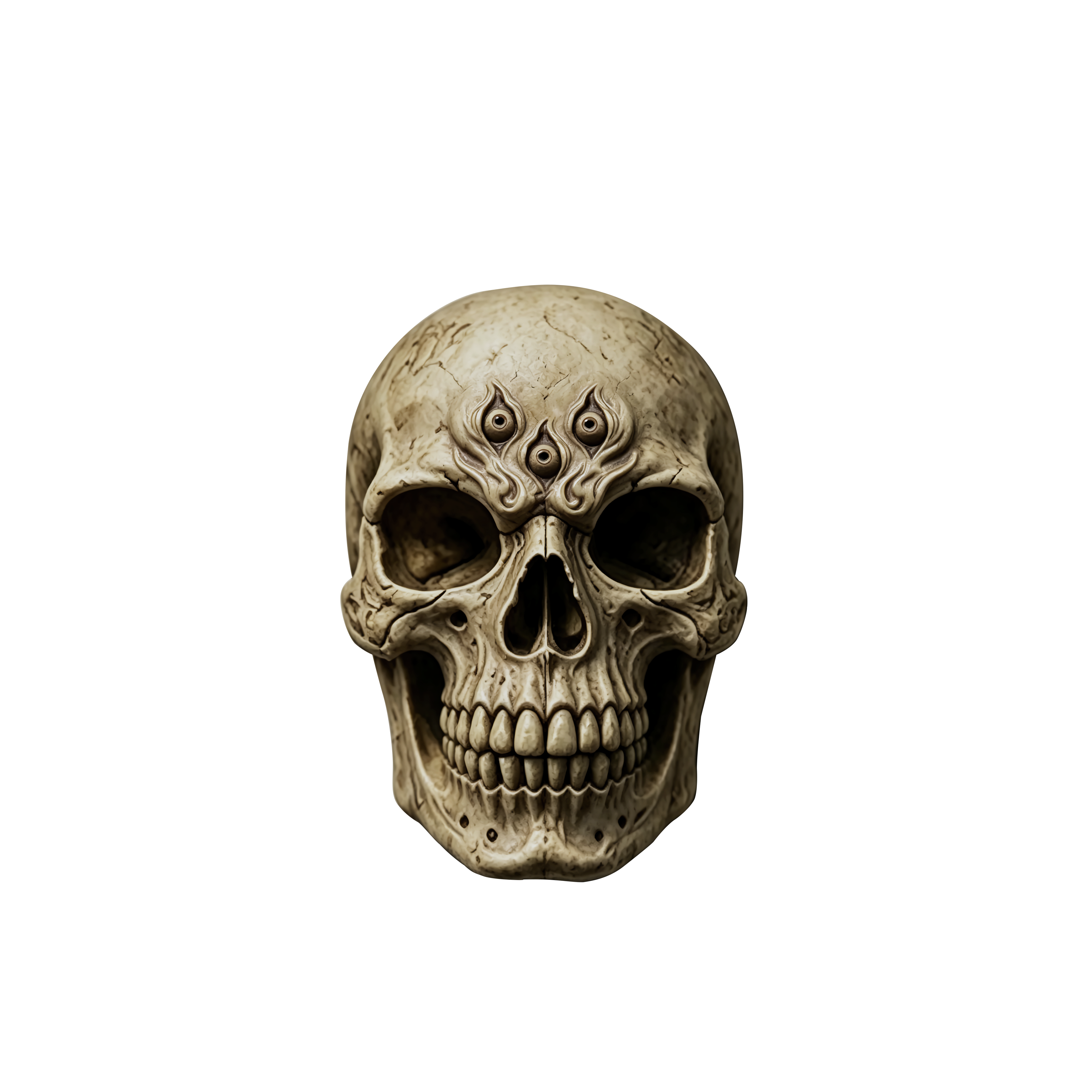
Skull motifs may evoke mortality, memory, transformation, or an awareness of life's limits. Their meanings, however, depend on their specific design and cultural context. A skull motif alone does not establish a particular religious origin, ritual use, or traditional meaning.
In some Tibetan Buddhist contexts, contemplation of impermanence and imagery associated with death have specific religious and philosophical roles. These contexts deserve careful study rather than being reduced to a universal explanation for all bone jewelry.
For a contemporary wearer, a skull bracelet may mark a personal chapter, commemorate someone important, or serve as a reminder to live with greater attention. The object can hold personal meaning without requiring every wearer to accept the same interpretation. Its significance may be quiet, private, and understood most clearly by the person who carries it.
Protection as an Intention
Many people are drawn to symbolic jewelry because they want to carry a reminder of steadiness, boundaries, or inner resolve. In this sense, a bracelet can function as a personal anchor: something noticed or touched during a demanding day.
It is important, however, to distinguish personal symbolism from supernatural promises. A yak bone bracelet should not be assumed to ward off harm, change fate, or guarantee safety. Nor should bone itself automatically be described as a traditional protective talisman without evidence for the specific object and context.
Protection can instead be understood as an intention the wearer chooses to remember. It might mean maintaining clear boundaries, acting with care, or remaining grounded when life feels uncertain. An object can help make that intention tangible without claiming authority over events beyond anyone's control.

How to Style a Yak Bone Bracelet
A yak bone bracelet works best when its material and form have room to be seen. It does not need an elaborate outfit or a collection of matching symbols. Its character often emerges through contrast: bone against dark fabric, carved beads beside worn leather, or a tactile bracelet paired with the clean lines of contemporary clothing.
For everyday wear, consider a plain T-shirt, a dark knit, a simple shirt, or a structured jacket. Black, charcoal, off-white, earth tones, and faded denim can all provide a restrained background for the bracelet. The aim is not to follow a strict color rule, but to leave enough visual space for the material and its details to register.
Texture can create interest without excess. A bone bracelet may sit naturally beside a leather strap or a simple metal piece, allowing the differences between materials to become part of the overall look. If you wear several bracelets together, vary their texture and scale rather than letting every piece compete for attention. Comfort matters as much as appearance: the bracelet should sit securely without pressing into the wrist or catching on clothing.
A skull motif already has a strong visual presence, so it often benefits from a simpler combination. Restrained clothing and understated accessories allow the carving to remain the focus. This also avoids treating culturally influenced imagery as costume decoration. A piece can be worn in a contemporary setting without imitating a particular community or religious practice.
Ultimately, the most lasting styling choice may be the simplest: wear the bracelet in a way that fits your actual life. It might accompany everyday clothing, sit beside your workspace when you are not wearing it, or be reserved for particular occasions. An object does not need to be constantly displayed to matter. Its personal significance grows through use and attention, not through how often it appears in a photograph.

Caring for Yak Bone Jewelry
Bone jewelry benefits from gentle handling. Since finishes and construction can vary, follow the care guidance supplied with the specific piece whenever possible.
Avoid prolonged exposure to water, and remove the bracelet before swimming, showering, or activities that involve persistent moisture. Harsh cleaners, bleach, strong solvents, and abrasive polishing methods may affect the bone, its finish, cord, or other components. After wearing, gently wipe the surface with a soft, dry cloth. If deeper cleaning is needed, check the material-specific instructions first.
Store the bracelet in a dry place away from prolonged direct sunlight and excessive heat. Keeping it separate from harder jewelry can help prevent scratches or damage. If the bracelet is strung on cord, check periodically for fraying or loosened knots, and avoid pulling the beads or stretching the bracelet unnecessarily.
Natural variation in color and texture is not automatically a defect. At the same time, cracks, loose components, or unexpected changes should not simply be dismissed as signs of character. Care is part of maintaining an object so it can continue to accompany everyday life.
Common Questions About Yak Bone Bracelets
What does a yak bone bracelet symbolize?
A yak bone bracelet may represent endurance, remembrance, impermanence, or a personal intention, depending on its design and the meaning its wearer gives it. These are possible interpretations rather than universal meanings shared by every Tibetan community or every bone bracelet.
Can you wear a yak bone bracelet every day?
Potentially, yes, if the bracelet is well made, comfortable, and suitable for regular wear. Avoid prolonged exposure to water, harsh chemicals, or activities that could damage the beads or cord. Follow the care instructions for the specific piece.
What does a skull bracelet mean?
A skull bracelet may evoke mortality, remembrance, transformation, or a personal philosophy. Its meaning depends on the design and cultural context. A skull motif alone does not prove that a piece has a particular religious origin or protective function.
How can you tell whether a yak bone bracelet is authentic?
Start with transparent material information and a seller who can explain the piece's construction, finish, and provenance where documented. Photographs and appearance alone cannot reliably establish the exact material, species, or origin. Ask for specific information rather than relying only on broad claims of authenticity.

An Object That Becomes Part of Your Life
A yak bone bracelet does not need to promise power or explain every aspect of its history to have a place in modern life. Its appeal can begin with the material itself: its grain, its weight, the details of its carving, and the way it feels against the wrist.
From there, meaning develops through context and use. For one person, it may be a reminder of endurance. For another, it may mark a memory or represent a commitment to live more deliberately. These interpretations can coexist without being presented as universal cultural truths.
At AURA DEER, an object is more than a moment of display. It is something that can be carried, handled, cared for, and gradually connected to a life. Cultural depth gives an object context; material presence gives it form; everyday use gives it personal relevance.
Explore AURA DEER's yak bone bracelets to discover pieces shaped by material character and contemporary restraint. Choose an object that fits your life, and let its meaning develop through the time you carry it.