


More Than a Pattern
A Dzi bead can catch your eye before you know anything about its history. Maybe it is the row of eye-like circles, the contrast between light and dark, or the way each bead looks slightly different.
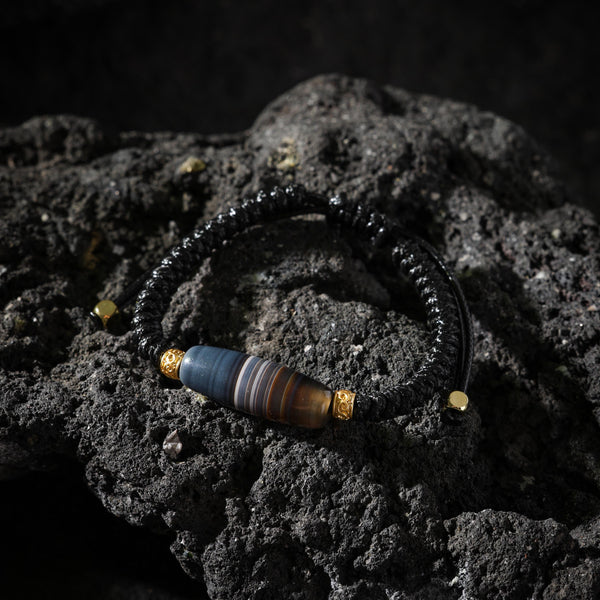
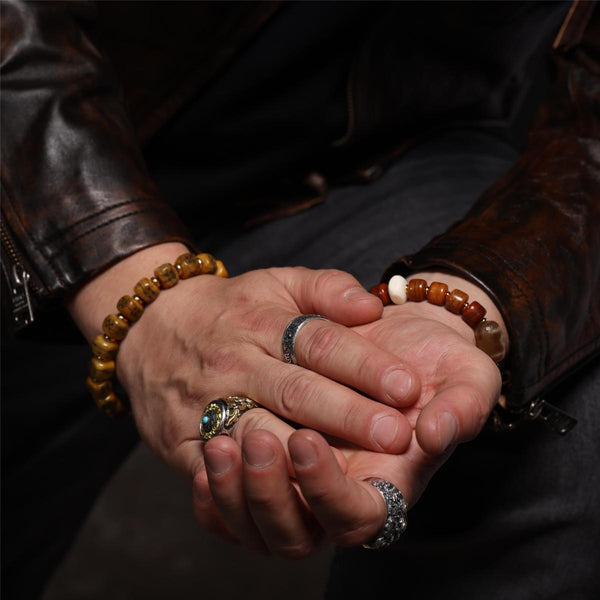
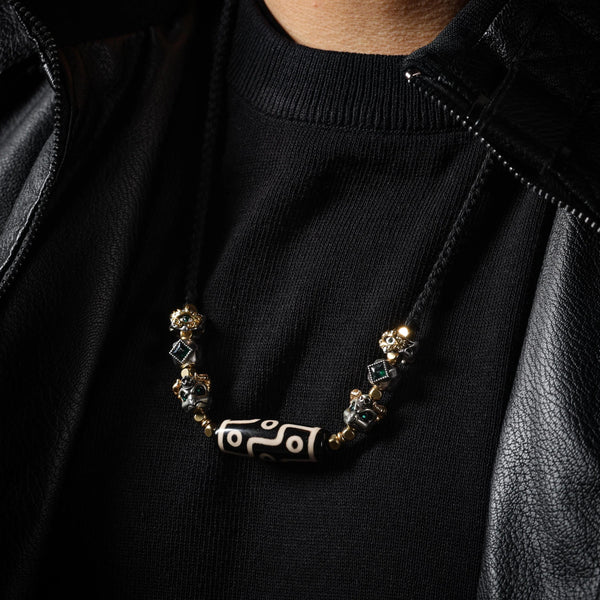
Dzi beads are traditionally associated with Tibetan and Himalayan cultures. Many are made from agate or similar stone materials and feature distinctive patterns, including circles, lines, and geometric markings. Today, they appear in bracelets, necklaces, and contemporary jewelry designs.
But not every bead sold as a Dzi has the same material, age, or origin. Knowing what to look for helps you make a more informed choice.

How to Recognize Common Dzi Patterns
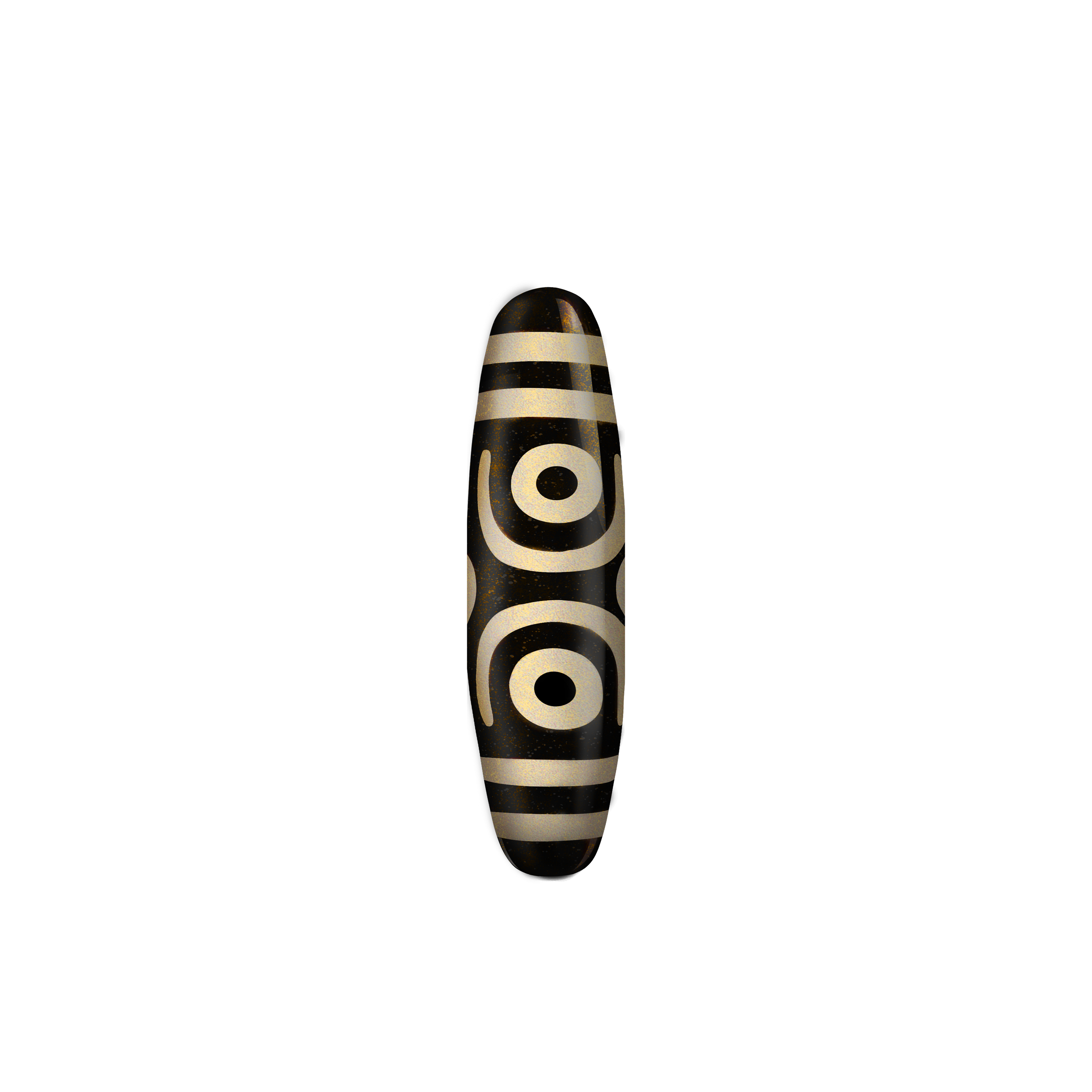
Dzi beads are often described by their visible markings. Names such as “one-eye” or “nine-eye” generally refer to the number of eye-like motifs, though designs and counting conventions can vary.
One-Eye Dzi
A design featuring one prominent eye-like motif offers a simple, focused look. It can work well as a standalone bead or as a central detail in a bracelet.
Two-Eye Dzi
Two eye-like motifs create a balanced visual pattern. The design is often used as a focal point in paired or symmetrical jewelry arrangements.
Nine-Eye Dzi
The nine-eye design is one of the most recognizable Dzi patterns. Its repeated circular motifs create a more intricate appearance, making it visually distinct from simpler designs.
A useful note: These names describe common design categories, not a universal system of meaning. Symbolic interpretations can differ across sources and traditions.

What Should You Check Before Buying?
A striking pattern is only one part of the decision. Before purchasing a Dzi bead, look beyond the product name.
-
Material: Check whether the seller identifies the bead as agate, another stone, glass, or a modern imitation. Do not assume all Dzi beads use the same material.
-
Pattern and finish: Look closely at the markings, surface, holes, and overall finish. Clear photographs from multiple angles are more useful than heavily edited product images.
-
Condition: Ask about chips, cracks, repairs, or visible wear, especially for older or pre-owned pieces.
-
Age and origin: Claims that a bead is antique or comes from a specific region should have supporting evidence. Appearance alone cannot confirm either.
-
Product details: Look for clear information about dimensions, materials, condition, and return policies.
An expensive price or an elaborate story does not, by itself, prove that a bead is rare or authentic.
Choosing a Dzi Bead for Everyday Jewelry
Think about how the bead will fit into your wardrobe. A single patterned bead can create a clear focal point, while smaller beads can produce a more understated design. Neutral clothing allows a distinctive bead to stand out; combining several strong patterns creates a busier look.
There is no single correct way to wear a Dzi bead. Choose a design that suits your personal style, feels comfortable, and comes with clear product information.

FAQ
Are all Dzi beads made from agate?
No. Materials can vary, and some modern versions are made from other stones, glass, or imitation materials. Check the specific product description rather than relying on the Dzi label alone.
How can you tell if a Dzi bead is antique?
Pattern and appearance alone cannot establish age. Reliable documentation, a credible provenance, and an assessment by a qualified specialist may help support an age claim.
Find a Dzi Bead That Speaks to Your Style
From simple eye motifs to more complex patterns, Dzi beads offer a wide range of visual character. Focus on the design you like, verify the material and seller claims, and treat age or origin claims with care.
Explore AURA DEER for jewelry that brings distinctive objects and considered design into everyday life.