

Was ist drin
- Was der Vajra ist, in einfachen Worten
- Warum man einen trägt – der Vajra als täglicher Anker
- Wie man es richtig trägt
- Drei Formen: als Handschmuck, Armband und Halskette
- Gold, Silber und roter Achat – was die einzelnen Varianten bedeuten
- Wählen Sie Ihre
Was der Vajra ist, in einfachen Worten
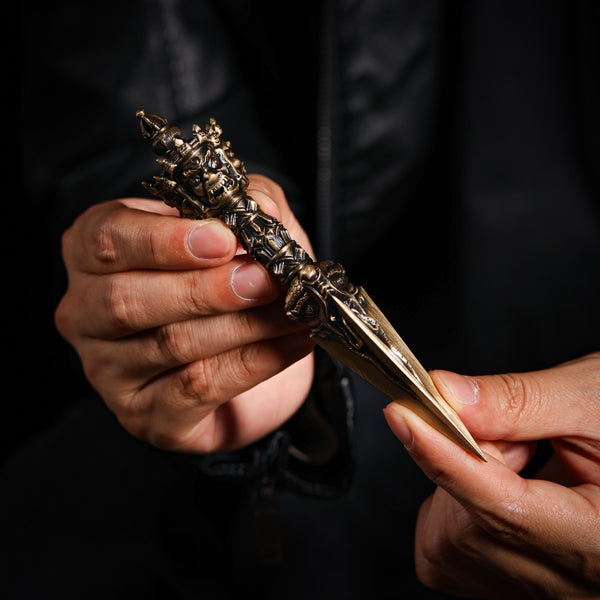
Das Wort Vajra Es bedeutet zweierlei zugleich: Diamant und Blitz. Ein Diamant, weil er das härteste Material ist – nichts kann ihn zerbrechen oder zerkratzen. Ein Blitz, weil der Blitz alles durchschneidet, was sich ihm in den Weg stellt. Verbindet man diese beiden Vorstellungen, ergibt sich die gesamte Bedeutung des Vajra: unzerbrechlich und fähig, alles zu durchtrennen, was sich ihm in den Weg stellt.
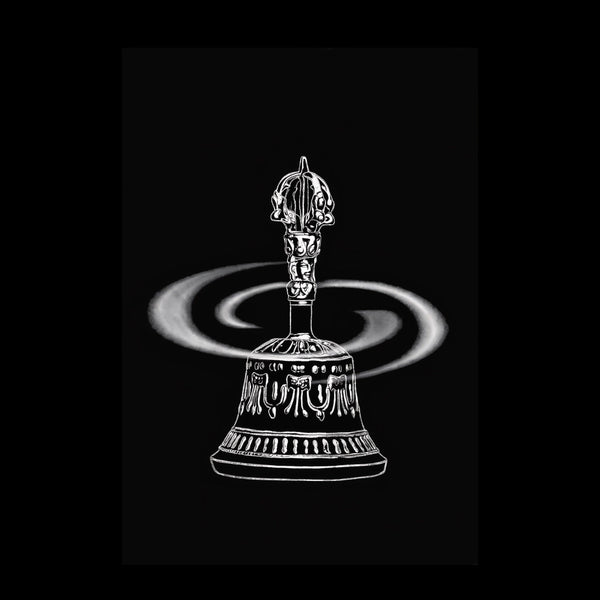
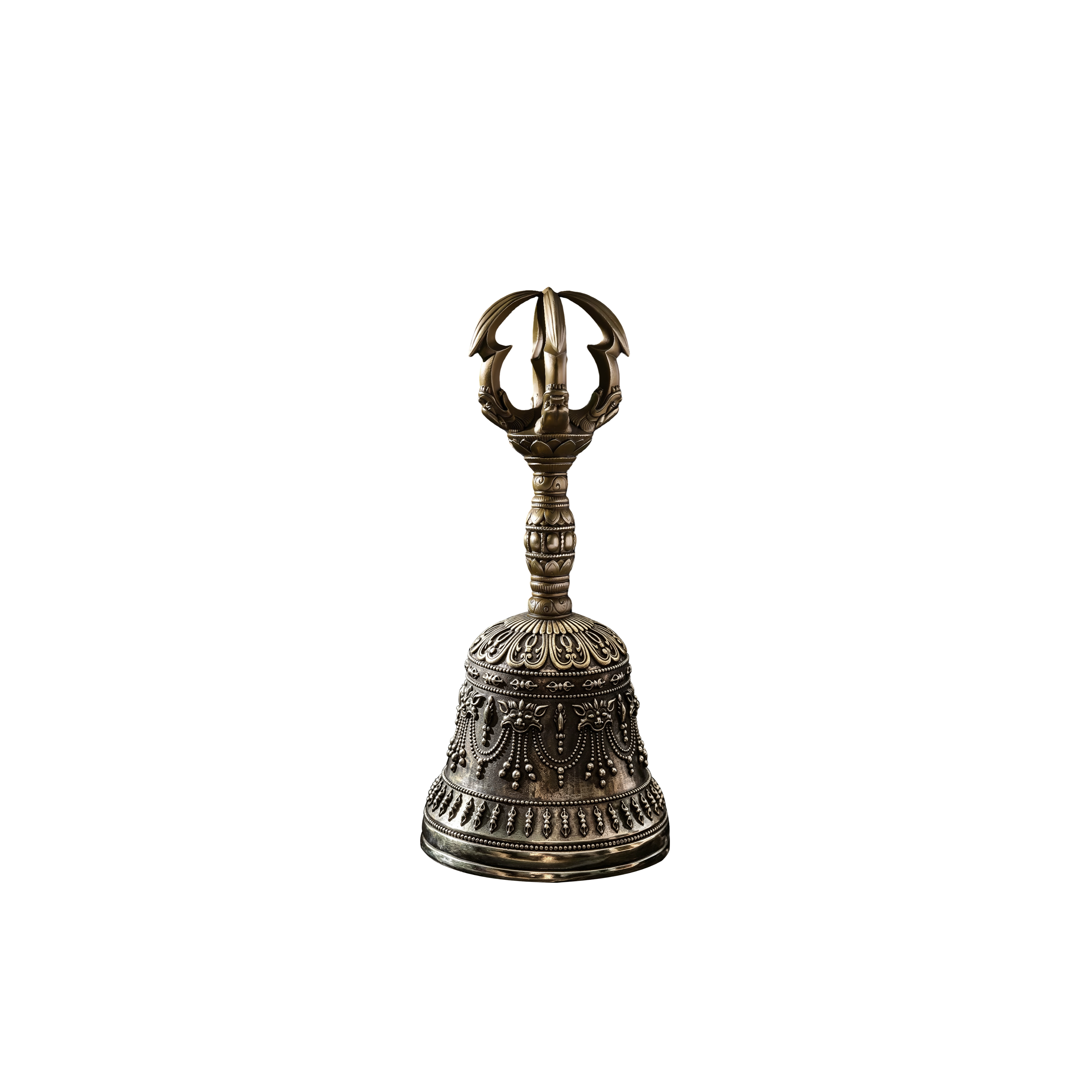
Es ist eines der ältesten noch heute verwendeten heiligen Objekte überhaupt – seine Wurzeln reichen Tausende von Jahren zurück. Im tibetischen Buddhismus ist es so zentral, dass der gesamte Pfad nach ihm benannt ist: das Diamantfahrzeug. Im Ritual hält ein Meister den Vajra in der einen und eine Glocke in der anderen Hand. Der Vajra symbolisiert beständige, aktive Kraft und klares, entschlossenes Handeln.
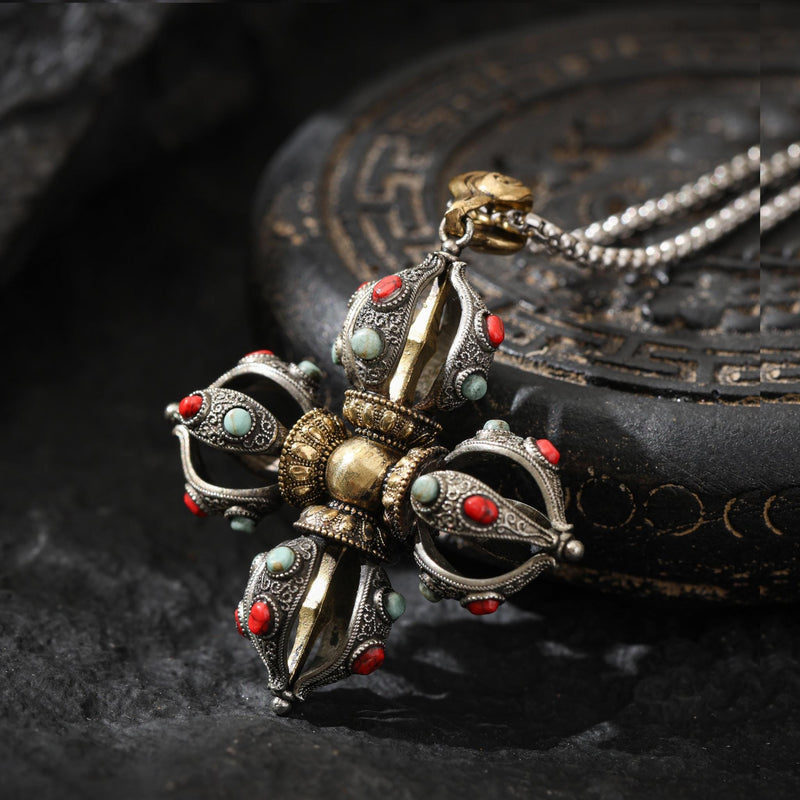
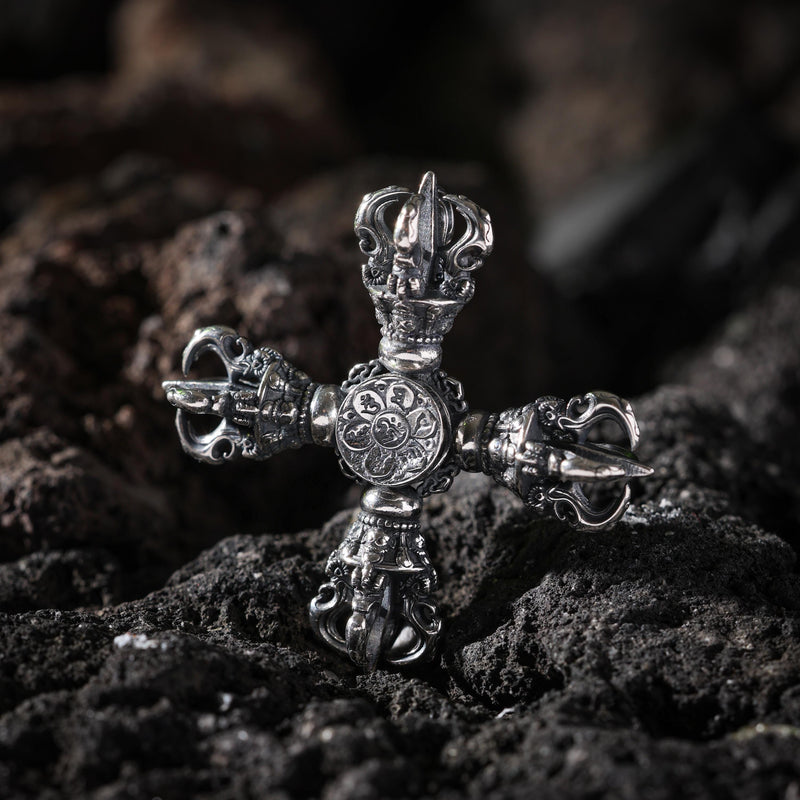
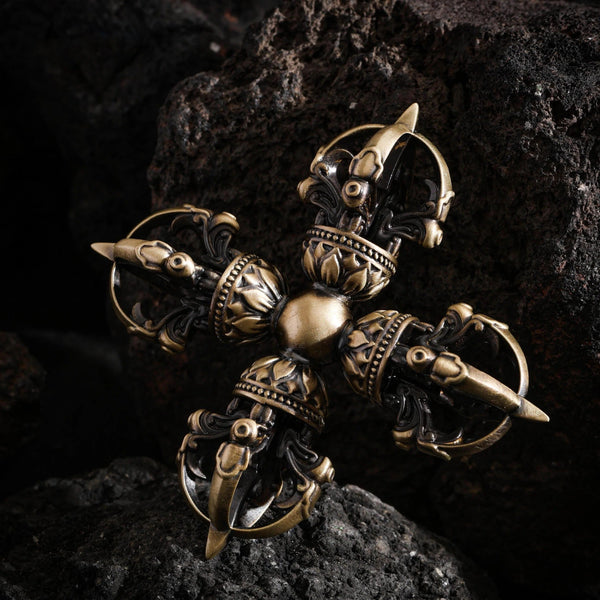
Betrachtet man einen Vajra genauer, erkennt man an jedem Ende nach innen gebogene Zinken, die sich spitz zulaufen. Diese Zinken symbolisieren verschiedene Arten von Weisheit, die in einem Zentrum vereint sind – ein treffendes Bild für die Funktion des Objekts: Es bündelt den zerstreuten Geist und bringt ihn auf einen Punkt. Man muss keine tiefergehende Philosophie kennen, um dies zu spüren. Im Kern ist der Vajra das Symbol einer unzerbrechlichen Stärke und einer Klarheit, die Verwirrung durchdringt.

Warum man einen trägt – der Vajra als täglicher Anker
Ein Anker hält ein Boot in rauer See stabil. Genau diese Funktion erfüllt der Vajra, wenn man ihn täglich trägt.
Das moderne Leben zieht einen in viele Richtungen gleichzeitig. Man fühlt sich leicht zerstreut, reagiert nur noch auf alles Mögliche und lässt sich von den Ereignissen hin- und herreißen. Der Vajra ist ein kleines, festes Symbol, das uns an das Gegenteil erinnert – daran, dass wir im Kern unerschütterlich sind und dass wir allem, was kommt, mit einem klaren, ruhigen Geist begegnen können, anstatt uns von ihm aus der Bahn werfen zu lassen.
Es ist wichtig, klarzustellen, was dies ist und was nicht. Beim Vajra geht es nicht um Aggression. Er sucht nicht den Streit. Er ist der ruhige, unerschütterliche Anker inmitten des Sturms – geerdet statt kraftvoll. Menschen tragen ihn, um in Drucksituationen die innere Mitte zu bewahren, um Unentschlossenheit zu überwinden, wenn sie feststecken, um sich unzerbrechlich zu fühlen, wenn sie etwas Schweres tragen, und für ein allgemeines Gefühl des Schutzes.
Und weil viele Vajra-Teile klein genug sind, um sie in der Hand zu halten, bieten sie dir einen festen Ankerpunkt. Halte ihn einen Moment lang fest, atme tief durch und erinnere dich daran, dass du stabil bist. Genau dafür ist ein Anker da – etwas Festes, zu dem du immer wieder zurückkehren kannst, egal was der Tag bringt.

Wie man es richtig trägt
Es gibt keine feste Regel, aber einige traditionelle Punkte sind es wert, bekannt zu sein.
Orientierung. Der Vajra ist symmetrisch – beide Enden sind gleich. Diese Symmetrie ist Teil seiner Bedeutung: Er steht für das Gleichgewicht und die Vereinigung der Gegensätze. Anders als bei einem Dolch oder einer Klinge gibt es also kein „falsch herum“. Wie auch immer er gehalten wird, er ist richtig.
Welche Seite? Im Ritual wird der Vajra in der rechten Hand gehalten – der aktiven, methodischen Seite. Bei einem Ring oder Armband trägt traditionell die rechte Seite diese aktive, nach außen gerichtete Energie, während die linke eher für das Empfangen steht. Dies ist jedoch keine feste Regel. Tragen Sie es dort, wo es sich für Sie richtig anfühlt und, genauso wichtig, wo Sie es auch tatsächlich tragen werden.
Trage es konsequent. Wie die meisten Schmuckstücke dieser Tradition entfaltet auch der Vajra seine beste Wirkung, wenn er regelmäßig getragen und nicht nur zu besonderen Anlässen aufbewahrt wird. Beständigkeit ist das A und O eines Ankers – er kann nur dann Halt geben, wenn er da ist.
Behandle es mit etwas Sorgfalt. Es ist ein heiliges Symbol, daher behandelt die Tradition es mit Respekt – man legt es nicht auf den Boden und wirft es nicht herum. Nichts Strenges oder Kompliziertes. Es wird einfach als etwas behandelt, das Bedeutung hat.
Kombinieren Sie es mit Bedacht. Der Vajra fügt sich harmonisch neben Mala-Ketten, Glockenmotiven oder anderen tibetischen Elementen ein. Auf schlichter Kleidung oder Leder wirkt er kraftvoll, ohne aufdringlich zu sein.
Drei Formen: als Handschmuck, Armband und Halskette
Das gleiche Symbol existiert in drei Formen, und jede Form vermittelt eine andere Bedeutung. Hier die Kurzfassung, gefolgt von einer detaillierteren Betrachtung jeder Form.
| Bilden | Wie es ist | Am besten geeignet für |
|---|---|---|
| Handlich | Ein vollständiger Dorje, den man aufhebt und hält | Jemand, der einen physischen Gegenstand haben möchte, zu dem er zurückkehren kann, sei es auf einem Schreibtisch oder in der Hand |
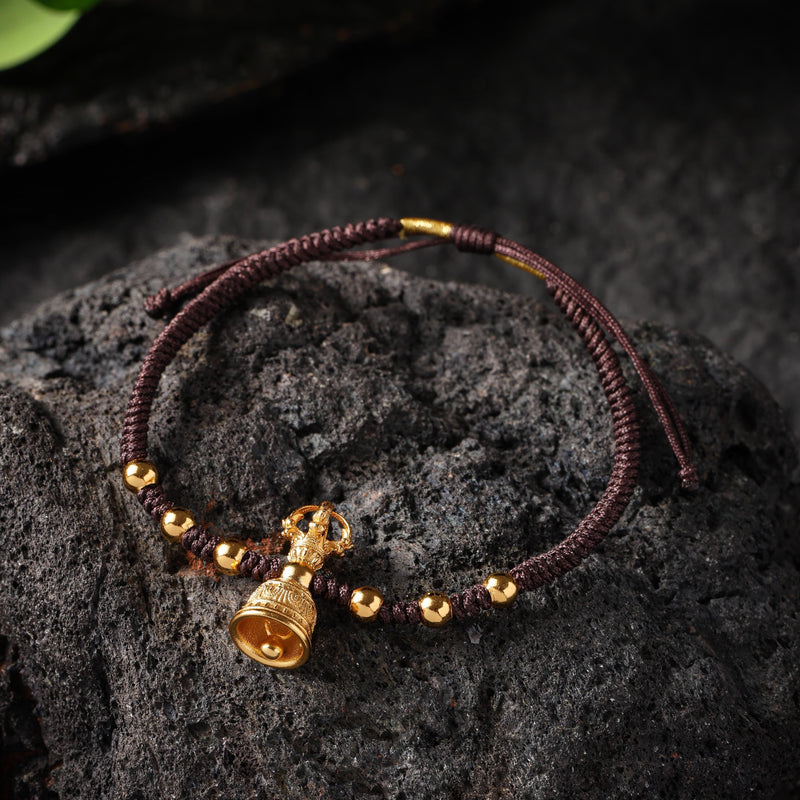
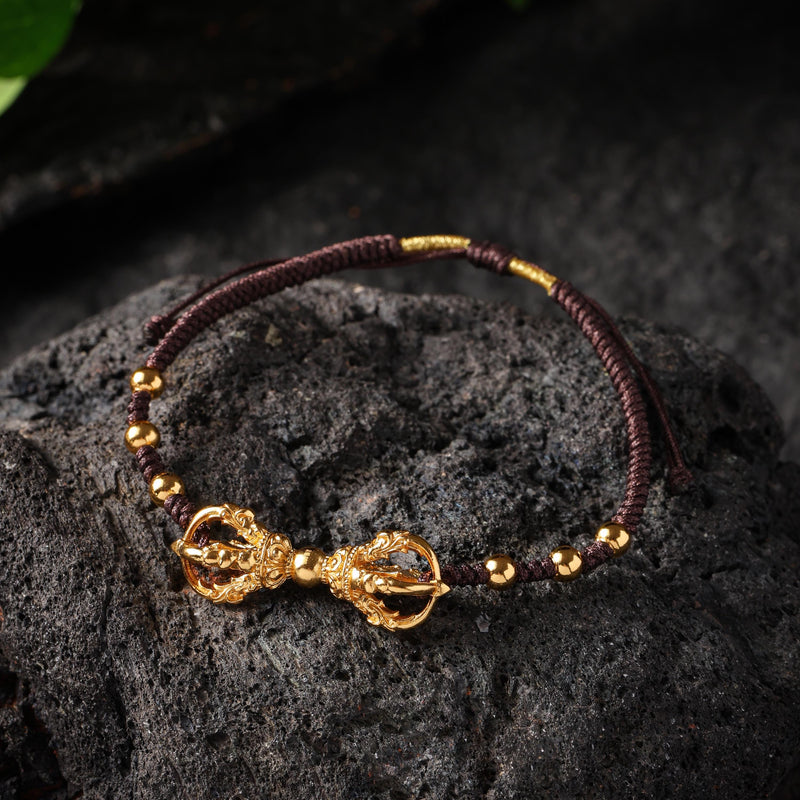
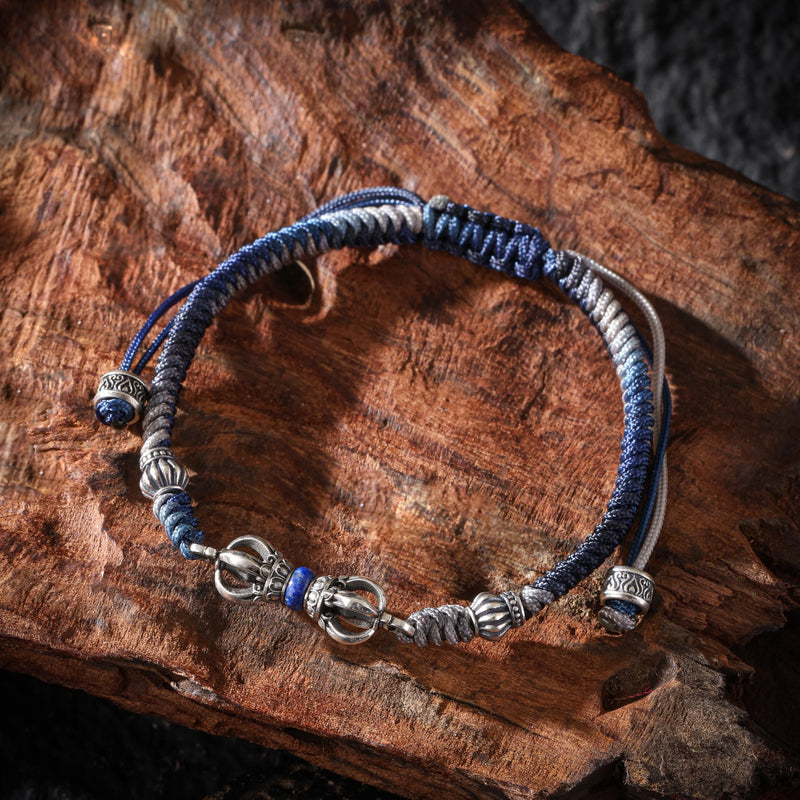
| Armband | Ein Vajra-Anhänger oder Perlen am Handgelenk | Alltägliche Präsenz, ohne darüber nachzudenken |
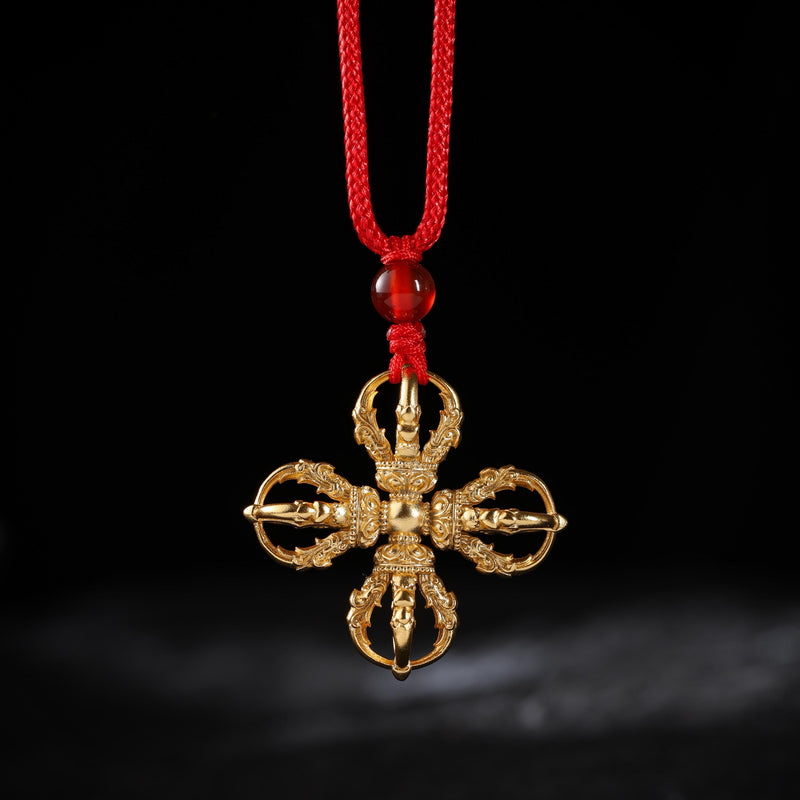
| Halskette | Ein Vajra-Anhänger an der Brust | Jemand, der es als Blickfang und persönliches Symbol haben möchte |
Handgerät. Dies ist die traditionellste und greifbarste Form. Es ist ein Objekt, das man tatsächlich in die Hand nimmt – für einen Moment der Konzentration, um es während eines schwierigen Gesprächs oder einer Entscheidung festzuhalten, oder um es auf einem Schreibtisch oder Altar aufzubewahren, wo man es bei Bedarf greifen kann. Das Gewicht in der Hand ist der Anker, ganz wörtlich. Diese Form eignet sich für Menschen, die etwas Greifbares suchen, zu dem sie zurückkehren können, oder die den Vajra sowohl im Raum als auch am Körper präsent haben möchten.

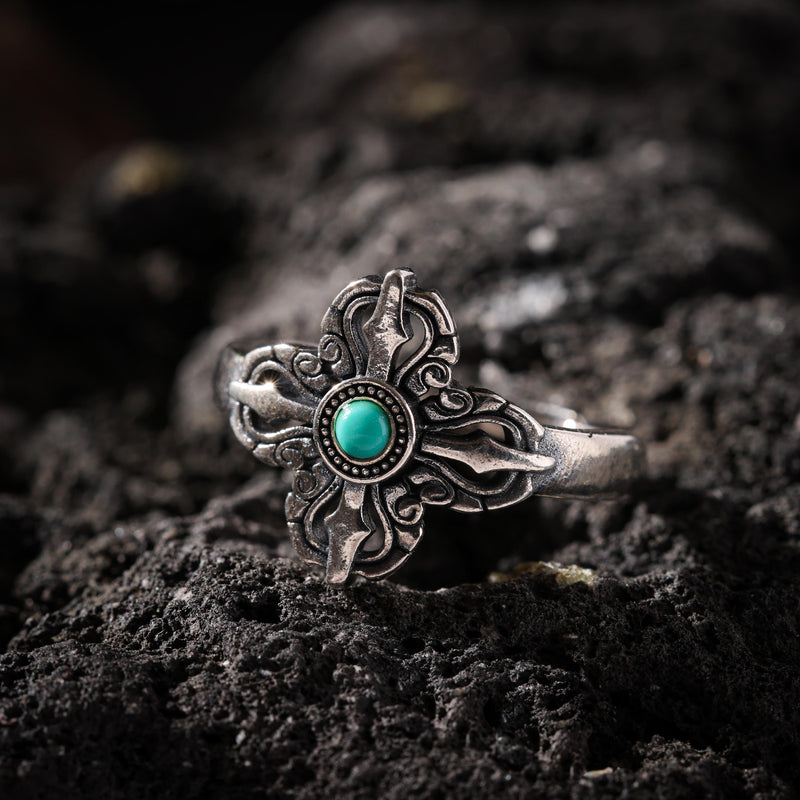
Armband. Dies ist die alltagstauglichste Form. Sie ist immer bei Ihnen, Sie sehen sie den ganzen Tag über, und das Handgelenk hält sie unaufdringlich im Blickfeld – eine dezente, stetige Erinnerung. Sie ist unauffälliger als ein Anhänger und passt zu jedem Outfit. Diese Form sorgt für eine ganztägige Präsenz, über die Sie nicht nachdenken müssen – ein Anker, der einfach immer da ist.

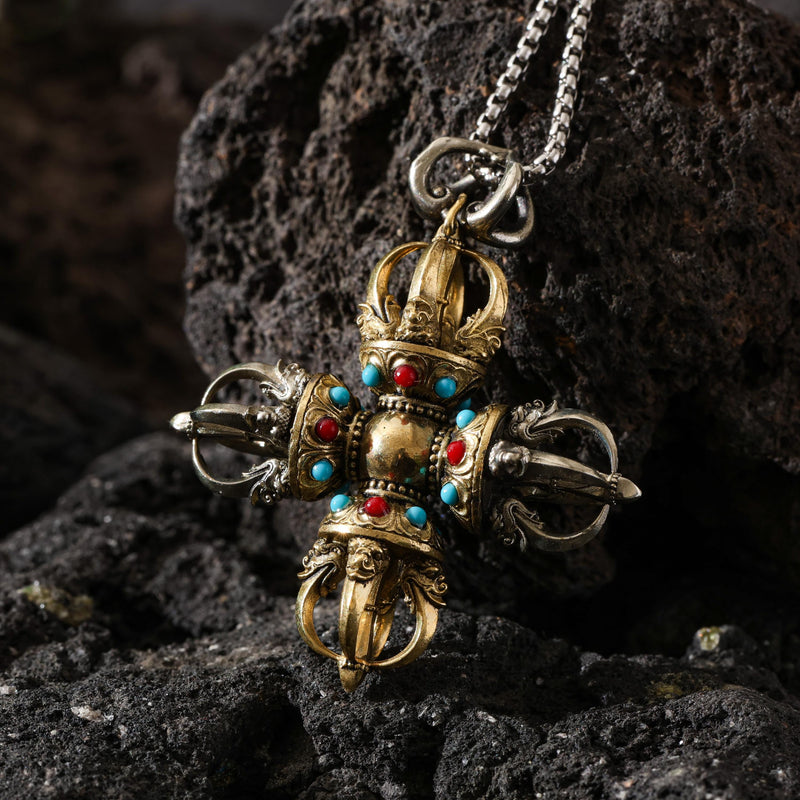
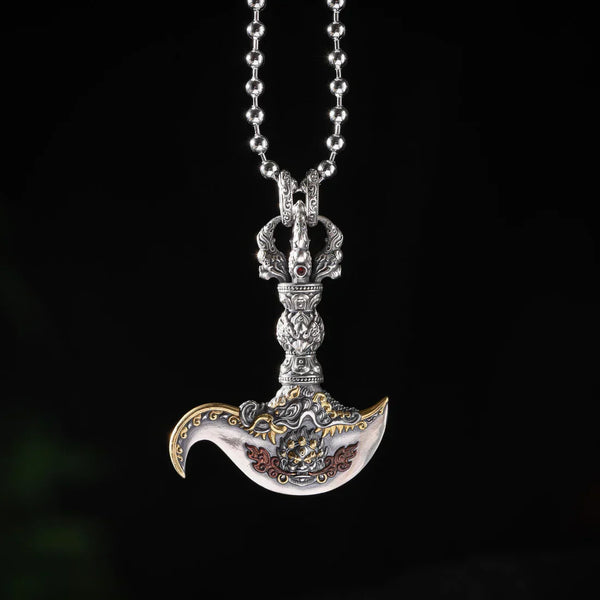
Halskette. Dies ist die auffälligste und persönlichste Form. Ein Vajra-Anhänger sitzt mittig auf der Brust, nahe dem Herzen, und ist ein starkes Statement. Er befindet sich zudem am nächsten zum Körperzentrum – was zu einem Symbol passt, das für innere Ruhe und Ausgeglichenheit steht. Diese Form ist ideal für jemanden, der den Vajra als zentralen Blickfang und klares persönliches Emblem tragen möchte.

Es geht darum, dass es ein Symbol mit drei Bedeutungsebenen ist: etwas, nach dem man greift, etwas, das einen stets begleitet, oder etwas, das im Mittelpunkt steht. Wähle die Bedeutung, die am besten zu deinem Tagesablauf passt.
Gold, Silber und roter Achat – was die einzelnen Varianten bedeuten
Das Material beeinflusst die Wirkung des Stücks ebenso stark wie die Form. Hier erfahren Sie, was jedes Material ausmacht.
Gold. Gold steht für höchsten Wert – und das nicht nur im finanziellen Sinne. Es vermittelt Wärme, Großzügigkeit und eine strahlende, überfließende Energie. Ein goldener Vajra fühlt sich warm und substanziell an und strahlt Präsenz und Fülle aus. Die alltagstaugliche Variante dieses warmen Tons ist Messing, das seinen ganz eigenen, stillen Reiz besitzt: Je öfter man es trägt, desto tiefer und satter wird es, sodass das Schmuckstück mit der Zeit zu einem persönlichen Begleiter wird und die Wärme des Lebens annimmt.

Silber. Silber ist ein beständiges, kühles und erdendes Metall und gilt in der tibetischen Tradition seit Langem als Material für Schutzgegenstände. Ein silberner Vajra strahlt Ruhe, Beständigkeit und unaufdringliche Stärke aus – er ist ein stiller Anker, kein protziger. Er wirkt bodenständig und unprätentiös und entwickelt, ähnlich wie Messing, mit der Zeit eine natürliche Patina. Wenn die Kernbedeutung des Vajra „unerschütterlich“ ist, dann ist Silber das Material, das dies am deutlichsten zum Ausdruck bringt.

Eingelegter roter Achat. Roter Achat ist ein Stein der Vitalität und Beständigkeit. Er steht für die Stärkung der eigenen Energie, für Mut und für ein geerdetes, warmes Gefühl von Lebenskraft. Eingefasst in einen Vajra, verleiht der rote Stein dessen unzerbrechlicher Stärke einen Funken Vitalität – die Bedeutung wandelt sich somit von „Ich bin unzerbrechlich“ hin zu „Ich besitze die Wärme und Energie, weiterzumachen“. Das Rot hebt sich zudem wunderschön von Silber und Gold ab, wodurch diese Variante die ausdrucksstärkste optische Wirkung erzielt.

Viele Stücke vereinen tatsächlich alle drei Elemente: einen silbernen Korpus, Verzierungen aus Gold oder Messing und einen roten Achatstein. Diese Kombination bildet ein harmonisches Gleichgewicht: die kühle Erdung des Silbers, die warme Fülle des Goldes und die lebendige Vitalität des Rots – alles in einem Objekt. Wer die volle Kraft des Vajra erfahren möchte, sollte nach einem Stück Ausschau halten, das diese drei Elemente vereint.
Wählen Sie Ihre
Wähle zunächst die Form, die am besten zu deinen Vorstellungen passt. Ein Anker in der Hand, wenn du etwas Greifbares und Naheliegendes haben möchtest. Ein Armband, wenn du ihn unauffällig und den ganzen Tag bei dir tragen willst. Eine Halskette, wenn du ihn als persönliches Symbol in deiner Mitte tragen möchtest, sichtbar für dich und andere.
Wählen Sie dann das Material entsprechend der gewünschten Wirkung. Gold steht für Wärme und Fülle. Silber vermittelt Ruhe, Erdung und Beständigkeit. Roter Achat verleiht Vitalität und optische Lebendigkeit – oder Sie entscheiden sich für ein Schmuckstück, das alle drei Eigenschaften vereint, wenn Sie die gesamte Bandbreite an Wirkungen wünschen.
Und dann, vor allem aber, trage es konsequent. Das ist das wahre Geheimnis eines Ankers – er erfüllt seine Funktion, indem er Tag für Tag da ist, bis er aufhört, etwas zu sein, das du anlegst, und einfach zu einem Teil von dir wird. Der Vajra steht seit Jahrtausenden für unzerbrechliche Stärke. Jeden Tag getragen, wird er zu deinem eigenen: der feste Anker, der dich an Ort und Stelle hält, und die Erinnerung daran, dass du allem, was kommt, mit klarem und unerschütterlichem Geist begegnen kannst.