

Table of Contents
- Symbols Belong To Ordinary People, Not Merely Temple Walls
- Faces of the Plateau: How Symbols Weave Into Every Life Stage
- Conversations With Artisans: Tradition Grows When It Is Shared
- Why We Refuse To Lock Culture Behind Museum Glass
- Gathering New Meaning With Every Person Who Carries Them
Symbols Belong To Ordinary People, Not Merely Temple Walls
An elderly grandmother walking to morning prayers carries a small carved pendant tucked within her clothing. It is not displayed for onlookers. It is a quiet companion through decades of hardship, loss and gentle hope. Young mothers fasten tiny protective charms near their infants, a silent wish for safety as children grow amid harsh high-altitude winds. Nomadic families hang carved talismans inside tents before long seasonal migrations. Working women keep compact amulets close during market days, long journeys and difficult decisions.
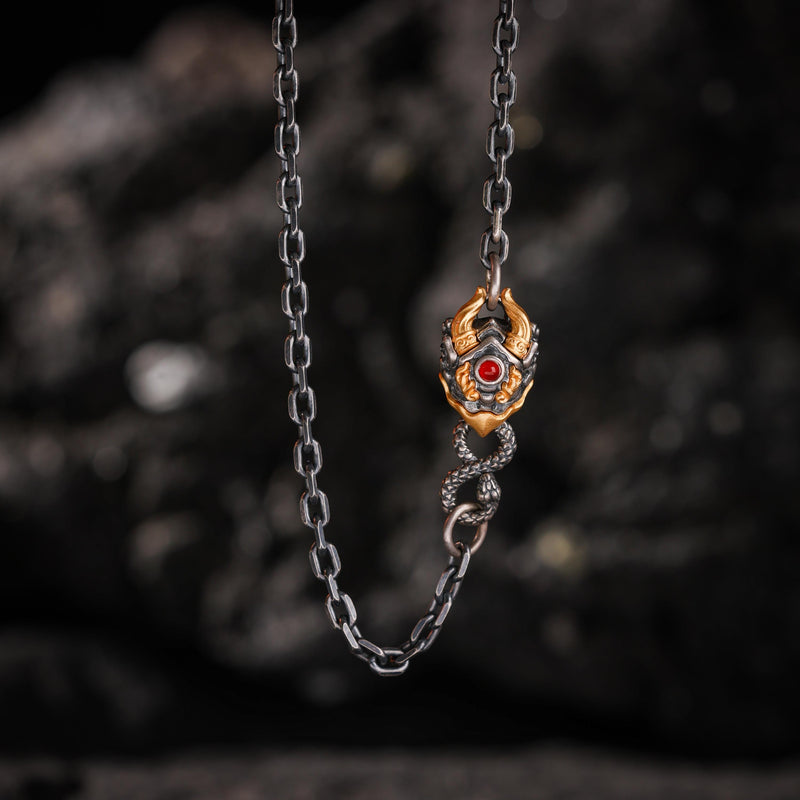
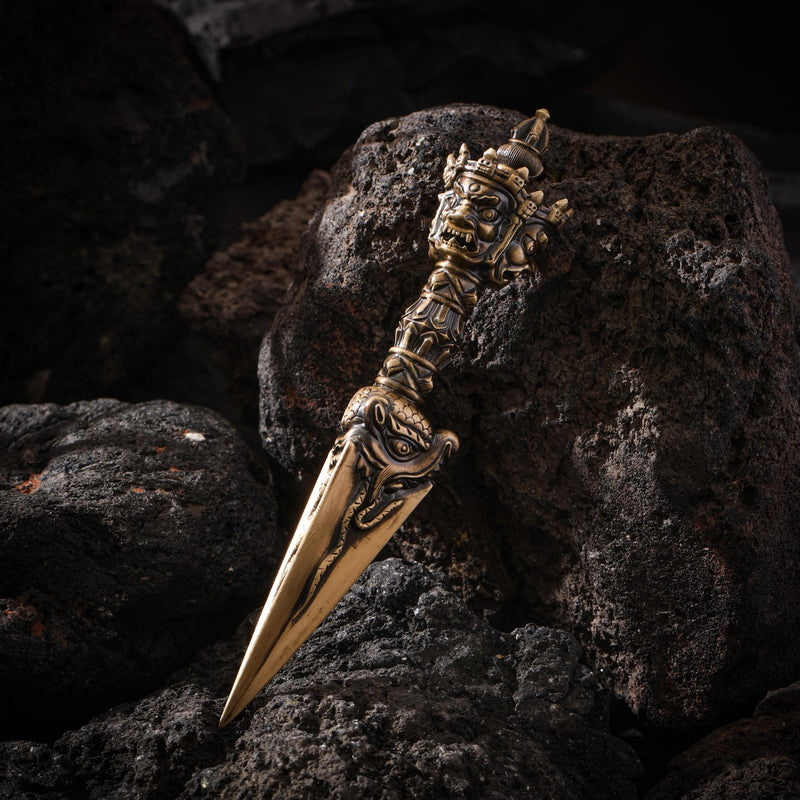
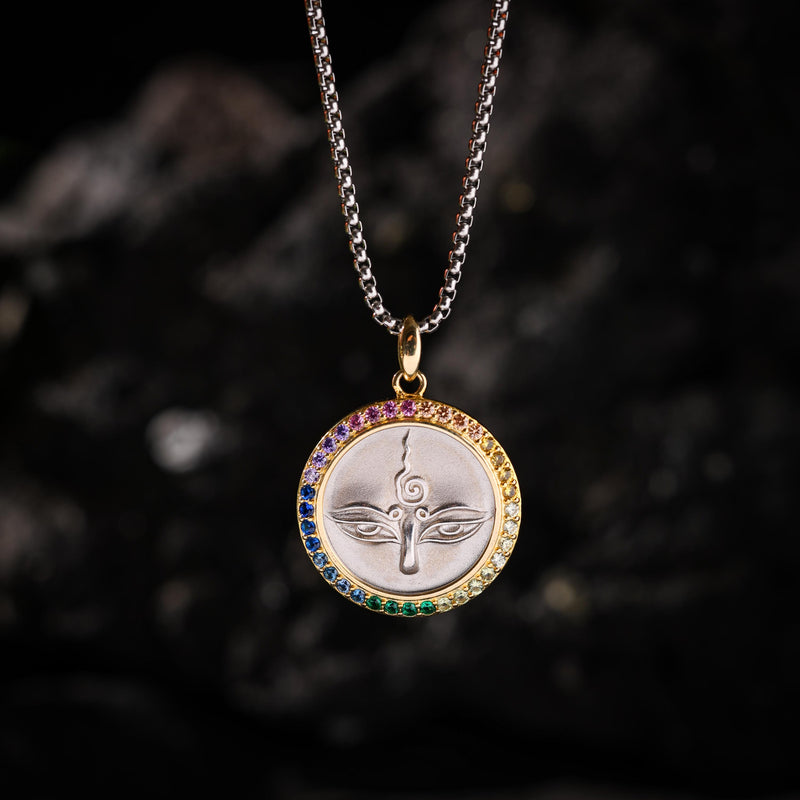
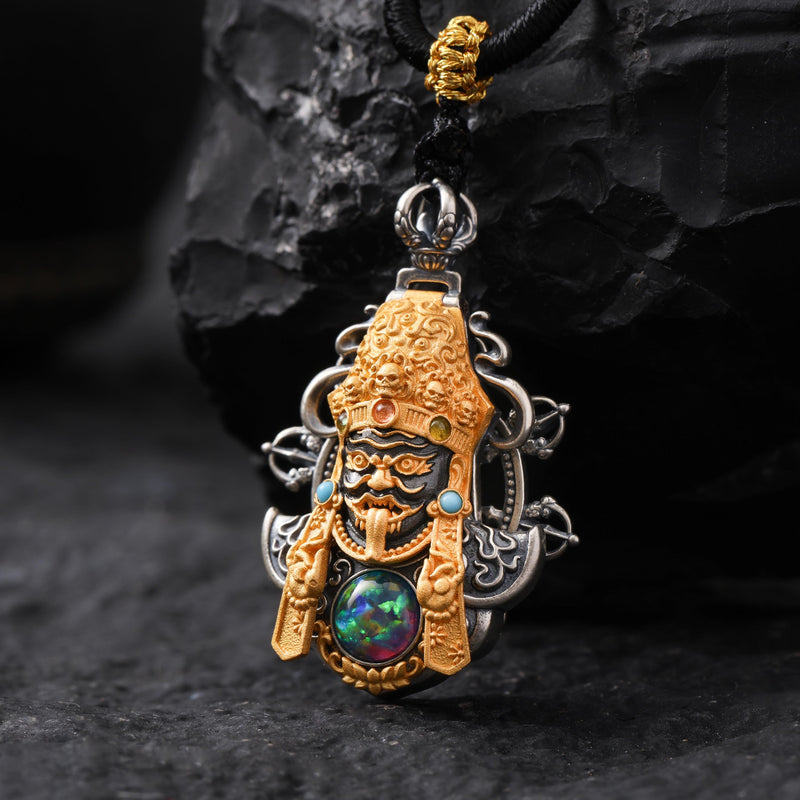
Green Tara’s watchful eyes do not only exist on painted murals. Local people turn to her when fear creeps in ahead of a lonely road. Mahakala’s stern silhouette is invoked when boundaries must be held amid exhausting conflict. Garuda’s soaring wings represent courage for anyone leaving home to build a new livelihood.
Seen up close, these are not exotic decorative patterns. They form a living emotional language. Highland residents reach for these symbols the same way anyone seeks stability amid uncertainty: to steady racing thoughts, gather quiet resolve, and navigate life’s unavoidable hardships.

Faces of the Plateau: How Symbols Weave Into Every Life Stage
For the elders who have lived through decades of shifting seasons and difficult times, a well-worn talisman holds layers of memory. One elderly herdsman told us his bone pendant had travelled with him through livestock loss, long winter blizzards and the passing of loved ones. It bore scratches and wear, and he would never replace it. The symbol’s power was intertwined with his own life story.
For plateau women — homemakers, traders, apprentices and craftswomen — protective motifs offer quiet inner grounding. Many shared how they seek gentle, compassionate energy from Green Tara during periods of loneliness, overwork and unspoken pressure. Their relationship with sacred imagery is deeply personal, separate from public ritual.
Teenagers and young adults stand at a crossroads between inherited tradition and modern temptation. Some leave their villages for cities for school and work. Before departing, families gift hand-carved amulets. The symbol becomes a tangible link to home when they are far away, a reminder of the values their community holds dear.
Even small children grow up surrounded by this quiet symbolism. They watch their parents touch pendants before journeys, listen to stories about guardian spirits, and slowly learn that strength can be quiet, and protection can be carried in your pocket.
These individual human experiences teach us an essential truth: tradition cannot survive if it only lives within temples. It breathes because ordinary people carry it, interpret it, and make it relevant to their own struggles.

Conversations With Artisans: Tradition Grows When It Is Shared
Our long partnerships with plateau craftspeople began not as a simple buyer-supplier arrangement, but as ongoing dialogue between two worlds. We sat for hours in unheated mountain workshops, listening as master carvers shared their understanding of each guardian symbol.
One senior artisan explained to us: tradition was never meant to remain identical forever. His own grandfather carved talismans one way; he adapted forms to match the needs of his community today. The core spirit — compassion, endurance, protection — remains unbroken, yet the way these symbols are shaped evolves naturally over time.
If a symbol cannot adapt to the lives of the people who carry it, it slowly fades into something purely historical. It becomes beautiful to observe, yet useless when fear, grief or uncertainty arrives.
Our artisan partners understand the precise proportions, facial expressions and sacred details of each deity. They respect iconographic rules passed down through generations. But they also recognise a clear truth: a bulky ritual amulet suitable for nomadic highland life cannot comfortably travel within a modern urban wardrobe.
This balance — preserving authentic sacred meaning while allowing form to evolve — shapes every AURA DEER design. The craftspeople do not merely execute orders. They guide us, ensuring we never dilute cultural symbolism for superficial commercial appeal.

Why We Refuse To Lock Culture Behind Museum Glass
We reject the common industry approach that treats Himalayan sacred motifs as frozen museum artifacts, copied mechanically and sold as superficial exotic decorations. Such practice strips symbols of their living purpose, reducing profound cultural heritage to aesthetic ornament.
Instead, working hand-in-hand with Tibetan artisans, we translate these ancient guardians for contemporary wearers. We retain every vital symbolic detail while refining scale, silhouette and weight to suit daily modern life.
We remove excessive bulky ornamentation unsuitable for city wear. We shape pendants to sit discreetly beneath shirts and coats. We select enduring raw materials: ethically sourced dense yak bone and solid S925 sterling silver, materials built to age alongside their owner.
Our goal is not trendy “modernisation”. Our purpose is to sustain living tradition. We want these symbols to continue doing what they have always done: meet people wherever they are, offering quiet strength for the life they are actually living.

Traveling Onward: New Meaning With Every Person Who Carries Them
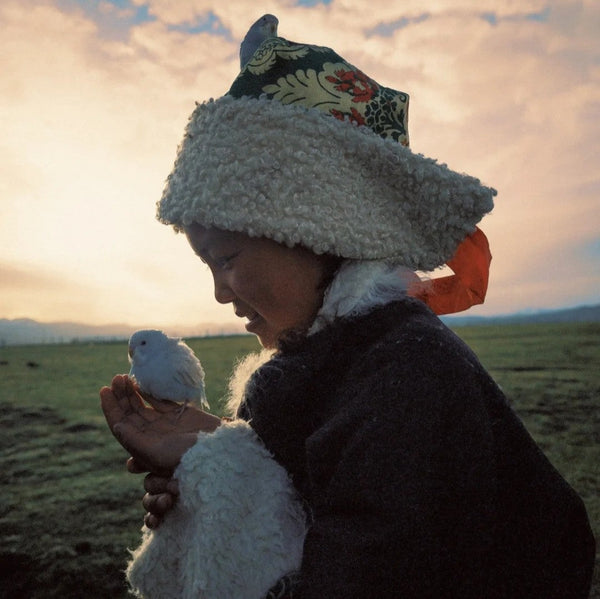
Across the Tibetan highlands, symbols live through daily life, memory, and tradition. Shaped by Tibetan artisans, these enduring forms travel onward—gathering new meaning with every person who carries them.
A talisman carved by a Tibetan artisan’s hands may eventually find its home with someone in London, Toronto, Singapore or Sydney. It may accompany a student through exhausting examinations, an entrepreneur navigating uncertain beginnings, someone recovering from heartache, a professional rebuilding their life after big change.
Every new wearer adds their own story: fears overcome, quiet victories, slow healing, hard-won clarity. Their personal experience layers new meaning onto the ancient symbol they carry.
This is how tradition stays alive. It cannot remain trapped in one location, one era, one fixed interpretation. It survives by travelling, changing hands, encountering new people in new landscapes, accumulating fresh purpose each time.
At AURA DEER, we see ourselves only as caretakers of this ongoing journey. We do not claim ownership over these symbols. We simply create a path for them to travel onward — from highland workshops into the everyday lives of people everywhere searching for quiet, steady strength.
Explore our full collection of handcrafted guardian talismans, shaped by Tibetan artisans and carried forward by you.