

To choose between a yak bone mala and a bodhi mala, compare the whole strand: its main beads, accent materials, dimensions and the way you want to wear it. A material name is a starting point. The components around it can change the visual balance and the care a piece needs.
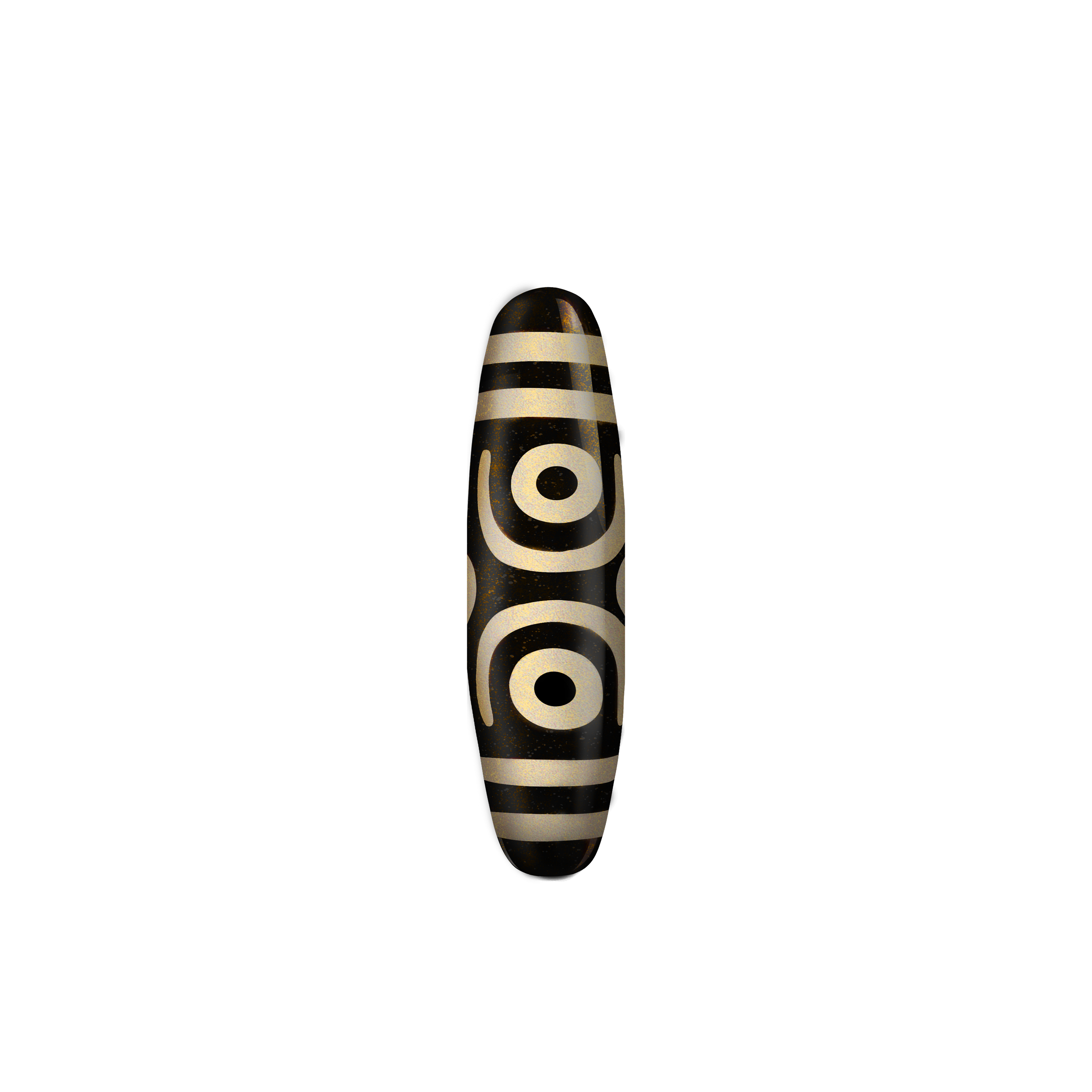
Here, we compare the Bone Necklace 108 Mala Beads, made with yak bone and turquoise, with the Bodhi Seed 108-Bead Mala Necklace, which combines Star-and-Moon bodhi seeds with nine-eye Dzi, colored glass and a brass Nine-Palace pendant. Both offer a way to carry a repeated bead form, with different materials and details to consider.
Two Malas, Compared
These details describe the two AURA DEER designs linked above. Other bone and bodhi malas use different beads, accents and constructions.
| Detail | Yak bone with turquoise | Star-and-Moon bodhi |
|---|---|---|
| Main bead material | Yak bone | Natural bodhi seeds |
| Other listed materials | Turquoise | Nine-eye Dzi, colored glass beads and a brass Nine-Palace pendant |
| Listed bead size | 9.5 × 9 mm | 8 mm |
| Product format | 108 mala necklace | 108-bead mala necklace |
Look at the Main Beads and the Accents
The yak bone design is photographed as a red bead line interrupted by turquoise and decorative details. The Star-and-Moon bodhi design has a warm, speckled seed surface, with glass, Dzi and a pendant adding changes in color and form. Look first at the repeated beads, then at the points where the rhythm changes.
Ask which part you want to notice most when wearing the piece. You may prefer a consistent bead line with a few accents, or a strand whose different components remain individually visible. Compare the full-necklace photographs with close views so the choice reflects both the overall shape and the smaller details.

Read the Measurements Before Judging Scale
The bone listing gives a two-part bead measurement of 9.5 × 9 mm; the bodhi listing gives 8 mm. Read these alongside the bead form shown in the photographs. A difference in the listed number is useful, but it does not describe the whole wearing experience.
For a necklace that needs to sit at a particular point on your chest, confirm the total strand length. For comfort, ask about weight if it matters to you. Bead size and a 108 format do not provide either measurement. If you intend to wrap a necklace around a wrist, check its length and the fit of each loop rather than stretching the strand to make it work.
Choose With Your Clothes in Mind
A plain neckline lets the main beads and pendant remain clear. With an open shirt, look at where the necklace falls relative to the opening; with a higher neckline, consider the contrast between the beads and the fabric. Start with clothes you already wear often.
The two examples here contain more than one material. The turquoise in the bone design and the glass, Dzi and brass in the bodhi design are part of the choice, rather than details to ignore once you have chosen a main bead material.

Four More Malas to Compare
If you want to explore a different bead form, size or combination, these offer four further points of comparison:
- Yak Bone 108-Bead Mala Necklace: 10 mm yak bone beads with turquoise; the product page offers pendant options.
- Bone Skull 108 Mala Necklace: a different yak bone design with a listed 10 mm bead size.
- Black Bodhi 108 Mala Beads Necklace: 10 mm bodhi beads and a listed necklace length of 80 cm, useful when overall length is part of your decision.
- Bodhi Seed Dzi 108-Bead Mala: 8 mm bodhi seeds combined with Dzi agate, turquoise and red agate accents.
Care for Every Component
Begin with gentle dry care and avoid immersing bone or seed strands. Support a necklace when lifting it, inspect the cord and connections before wearing, and store it dry without compressing or tangling the beads. Confirm the cord and any materials that are not specified in the description if they affect your care routine.
For mixed-material designs, use a cleaning method suitable for the most delicate component. Our material-specific jewelry care guide explains the starting routine. If origin or age is part of your choice, the buying guide sets out what evidence to ask for.
Choose the piece whose materials, scale and details suit the way you want to wear it. The relationship develops through repeated use and attention—a way of keeping explored in The Keeper: What We Choose to Keep.